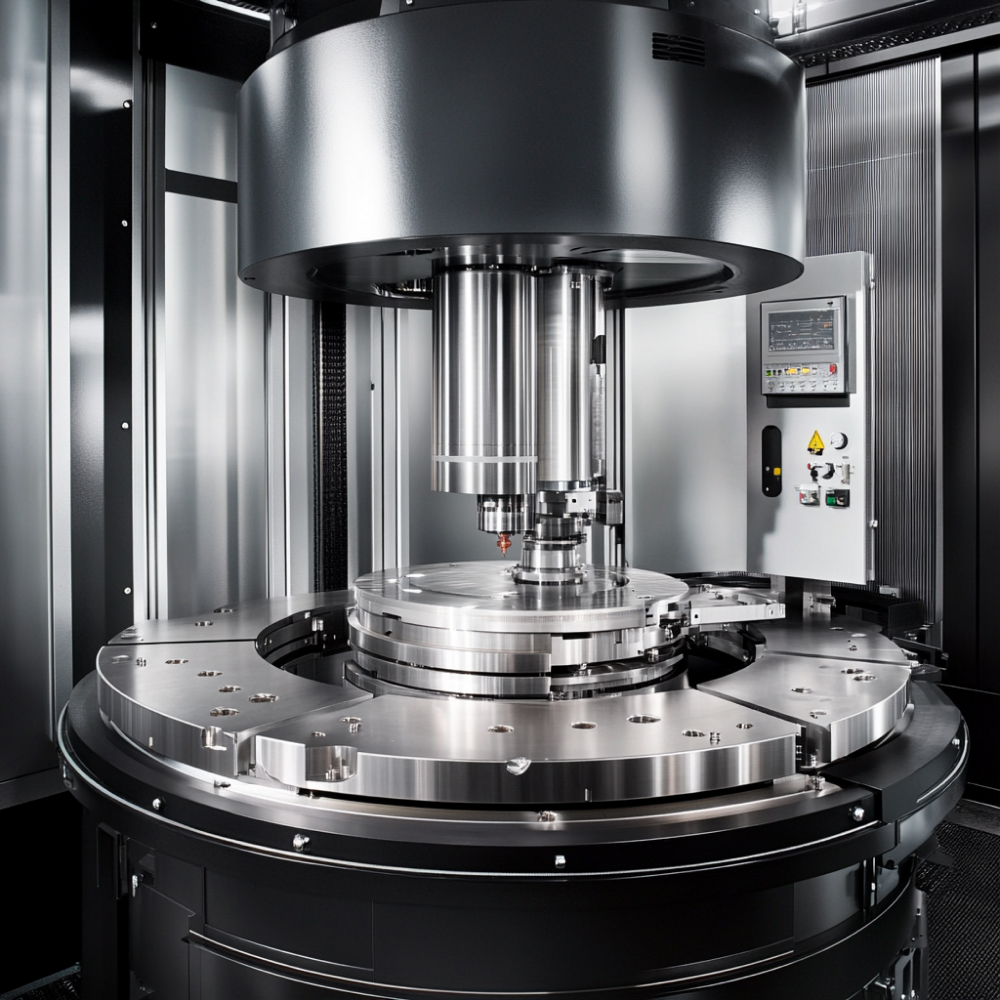
Why Pre-Engineered Condensing Units Eliminate HVAC Installation Bottlenecks
Labor-hour reduction data from AZCU Series field deployments
Research in real world settings shows that these pre-engineered condensing units cut down on HVAC installation work by around half to three quarters compared to what we see with conventional systems. The reason? Everything comes ready to go from the factory. Technicians just need to hook up the already charged refrigerant lines and plug into standard electrical connections rather than putting everything together at the job site. Take the AZCU Series as a case in point. Installers report spending only 15% of the usual time doing pressure tests and filling refrigerant, which means projects get completed much faster without sacrificing compliance with ASHRAE standards. This saves money and keeps things running smoothly according to industry requirements.
Comparative analysis: Traditional vs. pre-engineered unit labor allocation (plumbing, wiring, alignment)
Pre-engineered condensing units shift labor allocation decisively away from complex field work. Where traditional installations require specialized trades for each subsystem, plug-and-play architecture consolidates tasks:
| Installation Phase | Traditional Units | Pre-Engineered Units |
|---|---|---|
| Refrigerant Plumbing | 8–12 hours (brazing, leak testing) | 2 hours (pre-flared connections) |
| Electrical Wiring | 6+ hours (custom terminations) | 1.5 hours (color-coded plugs) |
| System Alignment | 3–5 hours (manual leveling) | Factory-calibrated mounts |
This streamlined workflow cuts commissioning errors by 40%, according to mechanical contractors, while reducing cross-trade coordination delays. The labor savings directly enable rapid deployment in commercial retrofits—where downtime costs exceed $740/hour (Facility Management Journal, 2023).
How Plug-and-Play Architecture Accelerates Commissioning
Factory-integrated refrigerant circuit validation and charge integrity testing
Condensing units that come pre-engineered basically take care of all those refrigerant tests that would normally happen at installation sites because they go through strict validation processes right when they're made. At the factory, there are specific protocols in place to check if circuits are intact and ensure just the right amount of refrigerant is added everything happens in controlled environments. This means no more spending precious time doing field evacuations, looking for leaks, or manually charging systems something that usually takes anywhere between three to five hours for regular units. When these units arrive at their destination, techs don't have to bother with pressure tests or setting up those complicated gauge manifolds anymore. Getting them running becomes straightforward stuff like making electrical connections and verifying startup works. What used to take hours now only takes minutes to get going. Plus, since factories follow standard procedures for charging, we avoid one of the biggest problems in the business improper charging accounts for around 17% of compressor failures according to industry standards.
Modular mounting interfaces and standardized electrical termination protocols
The plug and play cooling systems come equipped with universal mounting frames that have those handy pre-drilled anchor points. These align nicely with most standard rooftop curbs, which means no more fumbling around with custom fabrication work or worrying about measurement mistakes when installing them. Speaking of connections, the standardized NEMA rated terminal blocks paired with color coded wiring harnesses really cut down on the hassle for electricians. We're talking about cutting termination time by roughly 70% compared to old school field wiring methods. Techs can just follow the numbers on the ports instead of trying to decipher complicated schematics all day long. And let's not forget about those integrated conduit entry points either. They tackle alignment problems head on something that causes about a quarter of all wiring delays in regular installations according to industry reports. All these features together create a pretty consistent installation experience even across different commercial locations where things might look completely different from site to site.
Real-World ROI: AZCU Series Delivers 70% Faster Deployment in Commercial Retrofits
Phoenix commercial retrofit: 72-hour commissioning vs. industry average of 10+ days
A Phoenix supermarket retrofit demonstrated the installation efficiency of pre-engineered condensing units: contractors completed mechanical commissioning in just 72 hours using plug-and-play architecture—versus the industry's 10–14 day average for traditional systems. This acceleration resulted from three key advantages:
- Pre-charged refrigerant circuits eliminating field vacuum testing
- Standardized quick-connect electrical interfaces reducing wiring errors
- Modular mounting plates requiring no onsite alignment adjustments
According to labor reports, plumbers and electricians spend about 85 percent fewer hours on these jobs compared to traditional methods. Managers working on construction sites have noticed around 42% savings in overall labor expenses too, plus they start seeing money come in from refrigeration units much sooner than expected. Retail stores especially benefit since every extra day spent installing heating and cooling systems means losing about 17% of daily profits based on industry standards. The faster turnaround simply means less hassle for businesses during setup and better bottom line results when everything gets going.
Beyond Speed: How Pre-Engineered Condensing Units Reduce Total Cost of Ownership
Accelerated installation is only the first benefit. Pre-engineered condensing units transform Total Cost of Ownership (TCO) by addressing three persistent financial drains: labor-intensive deployment, reactive maintenance, and operational downtime.
Plug and play systems basically cut out all those pesky plumbing and wiring issues that slow down installations so much. We're talking about reducing HVAC setup time by more than 60%, which means workers spend fewer hours on site and companies save money right away on labor costs. Then there's the matter of refrigerant circuits validated at the factory level. These ensure proper charge levels stay consistent, slashing service calls related to leaks by around 45% compared to what happens with field assembled units according to ASHRAE research from last year. Less leakage means fewer refrigerant refills and fewer techs needing to be dispatched. When it comes to downtime, modular designs really shine. With built in diagnostics and standard parts across the board, most components can be swapped out within four hours flat. And this matters because compressor breakdowns typically rack up about $740,000 in lost production each year according to Ponemon Institute data from 2019. Plus, these advanced system designs often come with insurance perks too, sometimes getting businesses as much as 30% off their premiums thanks to how well they withstand disasters.
Consider this TCO comparison over a 5-year lifecycle:
| Cost Factor | Traditional Units | Pre-Engineered Units |
|---|---|---|
| Installation Labor | 35–50 hours | 10–15 hours |
| Annual Maintenance | $3.2k–$5.7k | $1.1k–$2.3k |
| Downtime Impact | 12–30 hours/year | €4 hours/year |
The rapid deployment highlighted in AZCU Series case studies cascades into long-term fiscal advantages: lower energy spend from optimized charge stability, deferred capital expenses via extended equipment lifecycles, and minimized operational risk. When speed intersects with durability, financial outcomes compound.
FAQ
What are pre-engineered condensing units?
Pre-engineered condensing units are HVAC systems designed for easy and quick installation. They are preassembled in the factory, allowing for significant time reductions in setting up and commissioning compared to traditional units.
How do pre-engineered condensing units save on labor costs?
These units reduce labor costs by minimizing the need for separate plumbing and wiring on-site. Instead, they feature pre-charged refrigerant and standardized connections that simplify the installation process, reducing labor time by over 60%.
What is the total cost of ownership benefit of using pre-engineered condensing units over traditional systems?
The total cost of ownership benefits of pre-engineered condensing units include reduced installation labor, lower maintenance costs, and decreased downtime impact. This results in substantial long-term savings and increased operational efficiency.
Table of Contents
- Why Pre-Engineered Condensing Units Eliminate HVAC Installation Bottlenecks
- How Plug-and-Play Architecture Accelerates Commissioning
- Real-World ROI: AZCU Series Delivers 70% Faster Deployment in Commercial Retrofits
- Beyond Speed: How Pre-Engineered Condensing Units Reduce Total Cost of Ownership
- FAQ