Core Components and Types of Supermarket Refrigeration Systems
Self-Contained vs. Centralized Refrigeration Systems
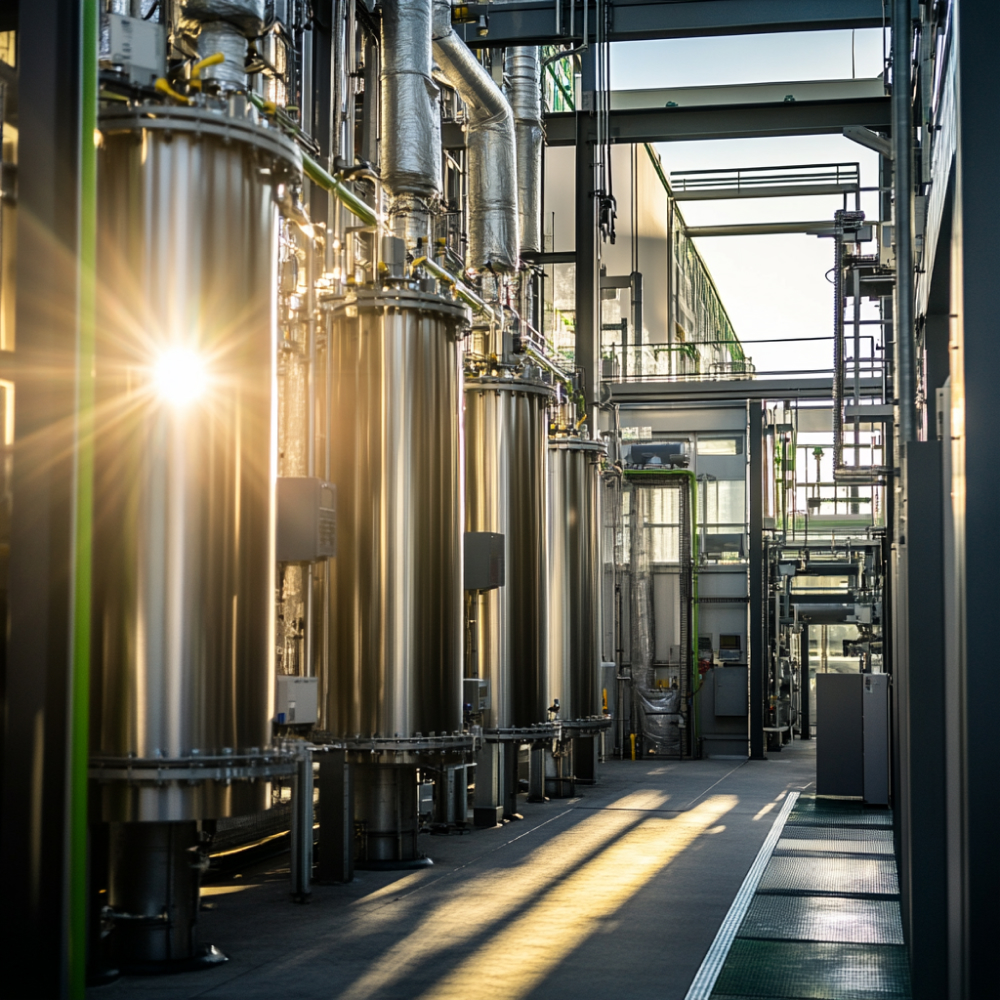
Most supermarket refrigeration systems fall into one of two main setups: self-contained or centralized models. With self-contained units, everything from compressors to condensers lives inside each display case itself. These work best for smaller stores since they can be installed piece by piece and cool exactly what needs it. On the other hand, centralized systems keep all the heavy lifting equipment like compressors and heat rejection gear in a separate mechanical room somewhere else in the building. They send refrigerant through pipes to connect with multiple display cases throughout the store. For bigger supermarkets over about 10,000 square feet, this setup tends to save more energy because it concentrates heat rejection in one spot and makes better use of recovered heat. According to industry reports, these centralized systems cut down energy usage somewhere between 15% and 30% when scaled properly compared to their self-contained counterparts. Of course, getting them right takes more planning upfront and involves coordinating different parts of the system during installation.
Key Components: Compressors, Condensers, Evaporators, and Controls
All supermarket refrigeration systems rely on four interdependent components:
- Compressors raise refrigerant pressure and temperature—serving as the system’s circulatory pump
- Condensers reject heat, converting high-pressure vapor into liquid
- Evaporators absorb heat from display cases, driving refrigerant expansion and cooling
- Electronic controls manage temperatures, defrost cycles, and pressure balancing across the system
Modern installations increasingly deploy variable-speed compressors and adaptive defrost algorithms that respond dynamically to case load, humidity, and door activity. These features cut energy use by up to 25%, per 2023 HVAC industry benchmarks, while maintaining ±0.5°F temperature stability—critical for perishable food safety and shelf life.
Energy Efficiency Strategies for Supermarket Refrigeration Systems
Variable Speed Drives and Adaptive Defrost Cycles
VSDs installed on compressors and condensers adjust cooling output according to what's actually needed at any given moment. This cuts down energy usage anywhere from 15 to 30 percent during those times when demand drops off, like late at night or around lunchtime when things tend to slow down. Instead of relying on old fashioned fixed interval timers, modern systems now use sensors to trigger defrost cycles only when ice buildup gets bad enough to affect performance. We're talking about a big deal here because wasted defrost energy can eat up as much as 20% of what these systems consume overall. By cutting back on unnecessary defrosting, operators save money without compromising product quality or putting extra strain on equipment through constant start stop cycles.
Heat Recovery Integration and Nighttime Setpoint Protocols
Supermarkets can actually put waste heat from their refrigeration systems to good use instead of letting it all escape outside. Capturing this heat helps cover around 30 to maybe even 50 percent of what stores need for things like heating spaces, warming up bakery ovens before opening, or making hot water for staff areas. At night when the store is closed, smart temperature controls raise fridge temps by about 2 to 5 degrees Fahrenheit automatically. The food itself acts as insulation in these cases, keeping everything at safe temperatures without needing constant cooling. Stores implementing both approaches see compressors running roughly 25% less during those overnight hours, which cuts energy costs significantly. Plus, these practices still meet all FDA guidelines regarding proper storage temperatures for perishable goods, so there's no compromise on food safety either.
Regulatory Compliance and Refrigerant Transition Trends
F-Gas Regulation, EPA SNAP Rules, and Global GWP Limits
Regulations around the world are pushing for the elimination of high global warming potential hydrofluorocarbon refrigerants at an accelerating pace. Take the EU F Gas Regulation for instance, which aims to slash HFC usage by 79 percent by the year 2030. Over in the United States, the EPA's SNAP program recently removed two commonly used refrigerants from approved lists: R 507A with a GWP rating of 3985 and R 404A at 3922 GWP. Meanwhile international efforts continue through the Kigali Amendment that asks participating countries to reduce their HFC consumption by as much as 85% before 2047 arrives. Companies need to pay attention because breaking EPA Section 608 rules regarding proper refrigerant handling can result in fines reaching fifty thousand dollars each time it happens. That kind of financial risk makes getting ahead of these regulations absolutely necessary for any business operating in this space.
Adoption Pathways for Low-GWP Alternatives (e.g., CO₂, R-290, R-448A)
Leading retailers are transitioning to refrigerants with GWPs under 1,500—most notably CO₂ (R-744, GWP = 1), propane (R-290, GWP = 3), and R-448A (GWP = 1,273). Each offers distinct implementation advantages:
- CO₂ transcritical systems deliver up to 30% higher seasonal efficiency in colder climates and are now standard in new construction across North America and Europe
- Propane-based self-contained units provide 15% better energy efficiency than legacy HFC models but require UL-listed enclosures and ventilation per ASHRAE Standard 15
- R-448A retrofit kits allow drop-in replacement of R-404A in existing medium-temperature racks—no hardware modifications needed
To meet compliance deadlines, top operators combine retrofits (covering ~80% of legacy equipment) with mandatory leak detection sensors—a measure shown to reduce annual refrigerant loss by up to 40%.
Maintenance Best Practices and Predictive Performance Monitoring
Proactive maintenance is critical to sustaining refrigeration system efficiency, extending equipment life, and ensuring continuous food safety compliance. Shifting from calendar-based servicing to condition-driven strategies transforms refrigeration from an operational cost center into a strategic asset.
- Continuous Equipment Monitoring: IoT-enabled sensors track compressor vibration, refrigerant pressures, superheat/subcooling, and case temperature deviations in real time
- Data-Driven Failure Prediction: AI-powered analytics identify early-stage anomalies—such as rising discharge temperatures or declining COP trends—flagging at-risk components before failure occurs
- Preventive Task Scheduling: Maintenance tasks (e.g., coil cleaning, oil analysis, seal inspection) are triggered by actual runtime and performance thresholds—not arbitrary intervals
- Staff Empowerment: Technicians receive ongoing training in interpreting system diagnostics and conducting root-cause analysis, reducing mean time to repair by up to 35%
Facilities adopting predictive monitoring report up to 25% lower annual maintenance costs and 40% fewer unplanned outages. Centralized dashboard platforms unify data across multi-store portfolios, enabling facility managers to triage alerts, benchmark performance, and allocate resources based on verified risk—not intuition.
FAQ Section
What is the main difference between self-contained and centralized refrigeration systems?
Self-contained units have all components within each display case, making them suitable for smaller stores. Centralized systems, suitable for larger supermarkets, house major parts like compressors separately, connecting various display cases via refrigerant pipes.
How can supermarkets improve energy efficiency in their refrigeration systems?
Supermarkets can use Variable Speed Drives (VSDs), adaptive defrost cycles, heat recovery techniques, and nighttime setpoint protocols to improve energy efficiency and reduce costs.
What are some alternatives to high-GWP refrigerants?
Retailers are adopting low-GWP refrigerants such as CO₂, propane (R-290), and R-448A, which offer better energy efficiency and compliance with global environmental regulations.